Monday, September 28, 2020

TIP - Dealing with Rude and Mean Things People Say

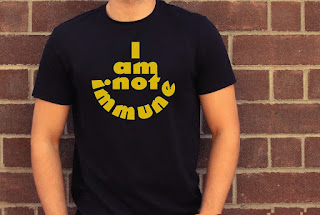
Young man wearing black t-shirt saying "I am not immune."
I am not immune

By Gentle Heron, Virtual Ability Community Member

I have multiple sclerosis and often (used to, before the pandemic quarantine) appear in public using a power wheelchair. Random strangers have said the strangest things to me. 

After asking “What do you have?” or “What’s wrong with you?” instead of what they really want to know (“Why are you using that wheelchair?”), they often throw out a follow-up statement such as “Well at least you don’t have epilepsy (or cancer or something else)” or “Oh, my husband’s niece (or other relation) died of that.”

I am a fairly positive person. I don’t believe most people intend to be mean or rude when they make these remarks. I prefer to think they are oblivious to how painful these types of statements can be to the person they are directed at.

Over the years, I have developed some strategies for dealing with this. If I can do so, I simply ignore the statement, and offer a bit of education about MS. I keep it short, thus offering the questioner a chance to escape.

However, if this is a person with whom I will be interacting in the future, I will acknowledge their statement and then change the subject. “Yes, I think it must be tough to have epilepsy. Did you hear about the tiger that got loose in Knoxville?” or “I am sorry to hear about your husband’s niece. Do you think this weather change means we will have an early winter?”

Usually people get the hint, although sometimes I have to apply that strategy a few times before they do.


Wednesday, September 23, 2020

TIP - How does exercise help manage stress?

Woman in black leggings in yoga pose with phone app

Exercise is not just good for weight loss and general physical fitness. It also helps you manage stress. How does that work? 

Stress, both chronic and acute, has many effects on our health. Direct effects include increasing the risk of chronic conditions including cardiovascular disease, diabetes and dementia. Indirect effects of stress include impacts on health-related behaviors.

Exercise helps your brain release endorphins, hormones that increase your feeling of energy. It can reduce systemic inflammation that is harmful to body functions. Regular exercise slows aging related declines in many body systems. Exercise can even improve your sleep.

And of course when you are thinking about exercising. you are distracted from obsessing over whatever was causing you stress. Exercise can even decrease stress-related snacking and overeating!

So get moving, and feel better in many ways.


Sunday, September 20, 2020

National Preparedness Month - Week 4

Picture of Scrabble game tiles spelling "Ready"

The objective of the final week of National Preparedness Month is to teach youth about preparedness. Every family member should be prepared for emergencies, no matter their age.

It is important for parents to reassure younger children by including them in family preparedness planning. Older children need to be prepared so they know what to do if you are separated before, during or after a disaster.

It is important for responsible adults to listen to children and youth, ask them about their feelings, and validate their concerns. Children want to feel safe and need some information to understand what is happening when their lives change. However, it is wise to limit their media exposure as news stories can be frightening. It also helps to keep as much of an ordinary daily routine as possible under the circumstances.

Here are some helpful resources:


Monday, September 14, 2020

September is Preparedness Month - Week 3 - Prepare for Disasters


An important aspect of preparedness is understanding what disasters are most likely in your locale and limiting their impact.

Identify the types of disasters that are the highest risk for where you live.

Ready.gov has identified a number of different types of disasters, including the following:

  • avalanche
  • drought
  • earthquake
  • extreme heat
  • flood
  • home fire
  • hurricane
  • landslide & debris flow
  • pandemic
  • power outage
  • snowstorm & extreme cold
  • thunderstorm & lightning
  • tornado
  • tsunami
  • volcano
  • wildfire

They provide additional information about how to prepare, how to survive, and what to do to stay safe after each type of disaster.

Learn how to receive local warnings and alerts about impending disasters.

There are two different levels of alerts: watches and warnings. When a watch is issued, this means you should be prepared because the potential exists for an emergency. Watches usually cover large geographic areas. Warnings on the other hand mean that you need to take immediate action, as the emergency is happening at that time. This is when you put your preparedness plan to use.

FEMA has a free mobile alert app available on Google Play and at the Apple App Store. The Red Cross also has mobile alert apps.

Other useful resources: 

Prepare your dwelling for potential disasters and common hazards.

Many residential areas have building codes. A home that is “built to code” only means it is built to the minimum life safety standard. You may want to take additional steps to better prepare your dwelling to help you survive potential local disasters. Here are some resources that may help you plan and prepare your home:

Check your insurance coverage.

Your insurance documents should be part of your disaster preparedness kit. You may need them after the disaster to obtain assistance and as proof of claims.

For a little humor at the end of a sober article, here are “10 Unbelievable Events Homeowners Insurance Covers.”