By Gentle Heron
If you are in serious need of more fiber in your diet, it is important not to increase how much you eat all at once. Instead, try making a small change once a week, one meal at a time.
For breakfast, increase the fiber content of your cereal. Fiber-rich offerings contain at least 5 grams of fiber in a single serving. Read the nutrition label to check how much is in different brands and flavors of both hot and cold cereals.
Build your lunch sandwich on whole-grain bread. Read the nutrition labels of different breads to find those with at least 2 grams of fiber per serving. Beware of deceptive brand names like “multi-grain” or “enriched,” which may not indicate the bread is whole-grain.
Choose your supper carbs wisely. Cook brown rice instead of white and use whole-wheat pasta for an extra fiber boost.
Dietary fiber is important for your health in many ways. It reduces constipation by helping food waste move smoothly through the digestive tract. It stabilizes blood sugar and helps you maintain a lower blood pressure. Make simple food substitutions to increase the amount of fiber in your diet.
Showing posts with label Health and Wellness. Show all posts
Showing posts with label Health and Wellness. Show all posts
Saturday, August 7, 2021

Monday, August 2, 2021
By Gentle Heron
You can teleport to any of the eight displays and exhibits using the SLURLs in this posting. After you arrive, click on the poster with the same name as the title of the poster set, and you will get a notecard that contains all the text of the posters plus descriptions of the images.
If you click each poster, you will get a message with additional information and live links.
Central Pavilion of Healthinfo Island
1. What is Spasticity?

2. Scoliosis
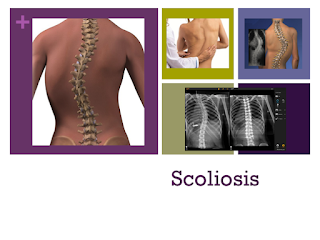
3. August is Water Quality Month

4. Hydration for Health (get a free glass of water to sip!)
5. Contact Lens Health

6. Eye Health and Amblyopia Awareness Month
7. Viral Variants

8. August is Immunization Awareness Month

Also check out the calming breathing exercise on the back wall!
http://maps.secondlife.com/secondlife/Healthinfo%20Island/128/126/24
You can teleport to any of the eight displays and exhibits using the SLURLs in this posting. After you arrive, click on the poster with the same name as the title of the poster set, and you will get a notecard that contains all the text of the posters plus descriptions of the images.
If you click each poster, you will get a message with additional information and live links.
Central Pavilion of Healthinfo Island
1. What is Spasticity?
2. Scoliosis
3. August is Water Quality Month
4. Hydration for Health (get a free glass of water to sip!)
5. Contact Lens Health
6. Eye Health and Amblyopia Awareness Month
7. Viral Variants
8. August is Immunization Awareness Month
Also check out the calming breathing exercise on the back wall!
http://maps.secondlife.com/secondlife/Healthinfo%20Island/128/126/24
Saturday, July 31, 2021
Are You Dense About Food Density?
Food density is not about brick-like Yule fruitcakes. It means caloric density, or the number of calories in a volume of food.
High density foods have a lot of calories in a small amount of food. These are fatty foods such as fast food meals and fatty meats, and sugary items such as candy, cakes, cookies, and sodas.
Low density foods have fewer calories in each amount. They often have a lot of water or fiber, and tend to be low fat. Most fruits and vegetables are low density foods.
Eating low density foods is helpful for your diet, because you feel fuller with a lower calorie intake. The water in vegetables and fruits increases the volume in your stomach, allowing you to feel satisfied with much fewer calories. The fiber in whole grains and vegetables not only increases your sense of fullness, but helps you feel fuller longer because it takes longer to digest.
Switching to lower density foods should be done gradually. Let your body accommodate itself to the increase in fluid volume and fiber content. You will improve your health overall by making this switch.
High density foods have a lot of calories in a small amount of food. These are fatty foods such as fast food meals and fatty meats, and sugary items such as candy, cakes, cookies, and sodas.
Low density foods have fewer calories in each amount. They often have a lot of water or fiber, and tend to be low fat. Most fruits and vegetables are low density foods.
Eating low density foods is helpful for your diet, because you feel fuller with a lower calorie intake. The water in vegetables and fruits increases the volume in your stomach, allowing you to feel satisfied with much fewer calories. The fiber in whole grains and vegetables not only increases your sense of fullness, but helps you feel fuller longer because it takes longer to digest.
Switching to lower density foods should be done gradually. Let your body accommodate itself to the increase in fluid volume and fiber content. You will improve your health overall by making this switch.
Wednesday, July 28, 2021
TIP - Two Things to Be Sure Are Full Before You Grocery Shop
1. A list - Between shopping trips or online orders, make an ongoing list of items you are running low on. You really won’t want to run out of milk, eggs, or toilet paper. If you plan meals ahead (and that’s a good idea!), add any ingredients to your shopping list that you will need.
2. Your stomach - If you shop when you are hungry, you are more likely to pick up junk food. It’s easy to avoid that temptation by eating before shopping.
When you head to the grocery store with a full stomach and a complete shopping list, you will probably come home with nutritious and healthy foods.
2. Your stomach - If you shop when you are hungry, you are more likely to pick up junk food. It’s easy to avoid that temptation by eating before shopping.
When you head to the grocery store with a full stomach and a complete shopping list, you will probably come home with nutritious and healthy foods.
Monday, July 26, 2021
Did You Know That Your Diet Can Help You Fight Aging?

By Gentle Heron
Here are some mealtime ideas that will help you feel younger and stay healthier longer as the number of candles on your birthday cake increases.
• Drink more water. Older people do not feel thirsty as readily as younger people, so they risk dehydration. Drink water at every meal; it’s better for you than drinks with sugar, alcohol or caffeine.
• Be aware of calories. Metabolism slows as we age, so we need lower calorie meals and snacks.
• Get enough protein. A third of older adults do not eat enough protein, which your body uses to renew many tissues. Meat is a good source of protein, but so are dairy products and legumes.
• Adequate calcium is necessary for bone health. Bone mass decreases with age, leading to an increased risk of fractures. Dairy products are a good source of that mineral, but lactose malabsorption and intolerance also increases with age. Other sources of calcium include canned fish (with bones), beans and nuts.
• You may not taste things as well when you age, but avoid adding extra salt. That won’t help your blood pressure. Instead use herbs and spices which have the added benefit of fighting inflammation.
• Be sure you get enough potassium to help control blood pressure, which tends to increase with age. Good dietary sources of potassium include greens (beets, chard, spinach, etc.), lima beans, and sweet potatoes.
• Avoid constipation caused by inadequate fiber intake. Be sure you get enough fibrous fruits and vegetables as salads, snacks, and desserts.
• Since some vitamins (e.g., B12 and D) are more difficult to obtain from food as you get older, you may need a specific supplement. Check with your doctor first, and if a supplement is recommended, buy one that contains only what you need without unnecessary other ingredients.
Wednesday, July 14, 2021
How Can Whole-Grain Foods Help your Blood Pressure?
By Gentle Heron
Whole-grain foods include the fibrous bran and the germ, not just the starchy endosperm of the grain or seed. They are a good source of healthy nutrients and minerals, in addition to fiber.
Whole-grain foods help reduce your risk of high blood pressure, or might help lower hypertension by providing several health benefits.
Eating whole-grain versions of foods you already enjoy, such as breads and pasta, can help your weight management. They tend to make you feel fuller longer.
Whole-grains contain significant potassium. This mineral has been shown to lower blood pressure.
Blood vessel damage can take many forms, several of which increase the risk of high blood pressure. Whole grain foods reduce damage to blood vessels.
Insulin resistance is a condition where the body does not respond properly to the hormone insulin. Insulin controls the amount of the sugar glucose in the bloodstream. Insulin resistance can lead to Type 2 diabetes. Eating more whole grains increases insulin sensitivity.
The Dietary Guideline for Americans suggests that adults should eat at least 3 ounces of whole grains daily as part of a healthy diet. That’s just three slices of whole-wheat bread. According to the guidelines, at least half of all grain products you eat should be 100% whole grain.
With all these benefits, why not try eating more whole-grain foods?
Whole-grain foods include the fibrous bran and the germ, not just the starchy endosperm of the grain or seed. They are a good source of healthy nutrients and minerals, in addition to fiber.
Whole-grain foods help reduce your risk of high blood pressure, or might help lower hypertension by providing several health benefits.
Eating whole-grain versions of foods you already enjoy, such as breads and pasta, can help your weight management. They tend to make you feel fuller longer.
Whole-grains contain significant potassium. This mineral has been shown to lower blood pressure.
Blood vessel damage can take many forms, several of which increase the risk of high blood pressure. Whole grain foods reduce damage to blood vessels.
Insulin resistance is a condition where the body does not respond properly to the hormone insulin. Insulin controls the amount of the sugar glucose in the bloodstream. Insulin resistance can lead to Type 2 diabetes. Eating more whole grains increases insulin sensitivity.
The Dietary Guideline for Americans suggests that adults should eat at least 3 ounces of whole grains daily as part of a healthy diet. That’s just three slices of whole-wheat bread. According to the guidelines, at least half of all grain products you eat should be 100% whole grain.
With all these benefits, why not try eating more whole-grain foods?
Saturday, June 26, 2021
Two Types of Fiber—Both Good for Your Health
By Gentle Heron
Fiber is the only nutrient that your body can not absorb… and that
is why it is healthy for you. The fiber in your diet comes from plant parts
that your digestive system can not break down. Dietary fiber is either soluble
or insoluble.
Soluble fiber dissolves in water in your intestines to form a gel-like substance. Soluble fiber lowers the level of “bad” (low-density) lipoprotein cholesterol in your blood. It also reduces blood pressure and lowers inflammation. Soluble fiber may slows absorption of sugar, which improves blood sugar levels for Type 1 diabetics. It may reduce your risk of developing Type 2 diabetes.
Insoluble fiber does not dissolve and passes unchanged through the digestive tract. It promotes bowel health, relieving constipation and solidifying loose stools. A diet with adequate insoluble fiber may lower the risk of developing colorectal cancer.
Good sources of soluble fiber include apples, beans, carrots,
citrus fruits, and oats. Insoluble fiber is found in foods such as bran, nuts,
whole grain cereals and breads, and many vegetables. Processed foods contain
very little fiber.
For ideas on adding fiber to your diet, please see:
https://www.health.harvard.edu/staying-healthy/how-to-get-more-fiber-in-your-diet
https://www.ucsfhealth.org/education/increasing-fiber-intake
Sunday, June 13, 2021
“Mind the Brain” podcasts
Your mind includes your thoughts, emotions, and cognitive processes. Your mind is produced by the brain, an organ inside your body.
The University of Colorado Anschutz Department of Psychiatry has created a series of podcasts called the “Mind the Brain” series. These include interviews with experts about personal mental health topics such as:
- Resilience
- Managing uncertainty
- Assessment and care of psychosis
- Food and body image
Important social topics are covered as well:
- Racism and discrimination in mental health care
- Mental health challenges of refugees
- COVID19 as a threat to mental health
Find the podcasts here: https://soundcloud.com/anschutz-dept-psychiatry/.
Sunday, February 28, 2021
How Healthy is Your Breakfast Cereal?

An easy way to find the answer to that question is to ignore the advertising and the appealing messages on the front of the box and look at the nutrition label.
First, how much fiber is in a serving of that cereal? Never purchase a cereal with less than 3 grams of fiber per serving. Five or more grams of fiber is even better. Undigestible fiber helps regulate your blood sugar and your feelings of hunger. Dietary fiber is an important aid to preventing many diseases.
Second, check the calories per serving. Healthy types of breakfast cereals serve up less than 120 calories per serving. (While you are at it, look at the serving size. You may need a smaller bowl at breakfast to limit those calories!)
Finally, look at the added sugar. Your serving of cereal should have less than 13 grams of sugar. Don’t even think of sprinkling on more. In addition to weight gain and tooth decay, excess sugar in your diet increases your risk of heart disease and other health issues.
Saturday, February 13, 2021
Things to Do - Healthinfo Island Exhibits and Displays for February 2021
 |
| Heart Healthy Month - Keep Your Heart Pink and Healthy! |
February is Heart Health Month!
You can teleport to any of the eight displays and exhibits using the SLURLs in this
notecard. Click on the poster with the same name as the title of the poster
set, and you will get a notecard that contains all the text of the posters plus
descriptions of the images.
If you click each poster, you will get a message with additional information and live links.
Central Pavilion of Healthinfo Island
http://maps.secondlife.com/secondlife/Healthinfo%20Island/128/126/24

Heart Health Awareness Month
http://maps.secondlife.com/secondlife/Healthinfo%20Island/196/156/23

Alcohol and Your Heart
http://maps.secondlife.com/secondlife/Healthinfo%20Island/187/181/24

Signs of Heart Disease That You May Not Recognize
http://maps.secondlife.com/secondlife/Healthinfo%20Island/172/154/22

http://maps.secondlife.com/secondlife/Healthinfo%20Island/111/81/24

Surprising Heart Facts (a quiz!)
http://maps.secondlife.com/secondlife/Healthinfo%20Island/99/37/26

Things You Didn't Know About Cholesterol
http://maps.secondlife.com/secondlife/Healthinfo%20Island/51/27/28

How We Damage Our Hearts
http://maps.secondlife.com/secondlife/Healthinfo%20Island/25/24/30

Preventing Deep Vein Thrombosis (DVT)
http://maps.secondlife.com/secondlife/Healthinfo%20Island/21/62/32
Saturday, January 30, 2021
Tips - Tricks to Cook Leaner
 |
| Sometimes a cheeseburger and fries is not good for you |
Meats are one source of excess fat in our diets. Consider substituting lower fat ingredients, such as ground chicken (6 grams fat/4 ounce serving) or turkey for higher fat ground beef (11-17 gm fat/4 oz) in recipes from meatloaves to tacos. You might also see if your taste buds will accept turkey bacon (28 grams fat per 100 grams cooked) or lean prosciutto (5 gm fat/100 gm serving) instead of pork bacon (42 gm fat/100 gm cooked).
Full-fat dairy products are another source of dietary fats. If you typically use sour cream (48.2 gm fat/cup), try fat-free plain yogurt (0.4 gm fat/ cup) instead.
Cooking oils are another common source of fat in our foods. Did you know that you can substitute applesauce (.2 grams fat/ cup) for half of the butter (184 gm fat/ cup) or canola oil (218 gm fat/ cup) in recipes for quick breads and cakes?
These simple switches can aid your campaign against excess dietary cholesterol and other fats. To check out fat content of foods and ingredients, and even find out how much exercise you would need to do to burn off the calories, check out the CalorieKing website.
Monday, January 25, 2021
Safety Indoors This Winter

Of course, we should continue wearing face masks in public indoor areas such as stores. Social distancing is still a strong recommendation; the University recommends thinking of an appropriate separation as being in your own individual parking lot space.
Recommendations that may be new to you come with explanations. Since respiratory viruses are spread by aerosol transmission, you will want to limit conversations and being in the same space as another person to less than 15 minutes to avoid sharing each other’s breath. Even talking more quietly or not talking unless necessary can reduce transmission of respiratory viruses.
We can improve indoor ventilation by operating window air conditioners with an outdoor vent, or opening windows if the weather permits; or we can establish safer work zones using full-length plastic curtains and portable air purifiers.
Sunday, January 10, 2021
Tip - Fighting Weight Gain During This Pandemic
 |
| Even our utensils have gotten fat during the pandemic |
Many people have noticed they have gained weight during the coronavirus pandemic and lockdowns, leading to the creation of the terms “Quarantine 15” and “COVID-19.” Doctors attribute this weight gain to stress-induced eating. People are more likely to eat high-calorie foods when they are stressed, even if they are not hungry. They also engage in other unhealthy habits such as avoiding exercise and sleeping less.
If you are one of the people who has added extra pounds in the past year, here are some ideas for getting back to your pre-COVID weight.
Since stress seems to be one of the main causative factors for this pandemic of weight gain, one way you can address the problem is to find appropriate ways to manage stress. Try the following:
- Be sure you can recognize the physical and emotional signs of stress in your body. These include muscle tension, irritability, and feelings of anxiety.
- Before you eat, check in with yourself. Are you feeling stressed and eating when you are not really hungry as a flawed coping strategy?
- If you want to eat, but aren’t really hungry, try distracting yourself. Call a friend for a chat. Watch a TV show (without snacking).
- Keep an eating and behavior habit diary. Look for patterns in your eating that may relate to stressful feelings instead of hunger.
You’ve probably seen the rest of these suggestions often enough. They apply in most situations and are just simple (but not necessarily easy) steps to general good health.
- Eat a healthy varied diet emphasizing vegetables, fruits and whole grains.
- Don’t skip meals to cut calories. Eat smaller amounts at each meal.
- If your comfort foods are junk foods, get rid of them and do not keep any in your home.
- Get regular exercise. Include the four types of exercise: endurance, strength, balance, and flexibility.
- Learn and use relaxation techniques such as deep breathing, stretching, yoga or meditation.
- Get adequate good-quality sleep.
- Learn to accept setbacks to the progress of your improvement plan. Get back on track as soon as possible.
- Let your family and friends know your weight loss goal. Ask them to encourage and support you.
- Seek professional advice and assistance if you are not able to lose weight on your own.
For more information on stress:
- Stress and your health: https://www.womenshealth.gov/mental-health/good-mental-health/stress-and-your-health.
- Stress relief is within reach: http://www.apa.org/helpcenter/stress-signs.aspx.
- Stress and eating behaviors: https://www.ncbi.nlm.nih.gov/pmc/articles/PMC4214609/.
- Stress exposure, food intake and emotional state: https://www.ncbi.nlm.nih.gov/pmc/articles/PMC4843770/.
- Stress as a common risk factor for obesity and addiction: https://pubmed.ncbi.nlm.nih.gov/23541000.
Friday, January 1, 2021
Healthinfo Island Exhibits and Displays for January 2021
You can teleport to any of the eight displays and exhibits by left-clicking the links or the pictures. If you don't already have a Second Life account, it's free and easy to join! Simply click here and follow the steps!
Central Pavilion of Healthinfo Island
http://maps.secondlife.com/secondlife/Healthinfo%20Island/128/126/24

Fiber and Your Microbiome
http://maps.secondlife.com/secondlife/Healthinfo%20Island/196/156/23

National Blood Donor Month
http://maps.secondlife.com/secondlife/Healthinfo%20Island/187/181/24

Wearing a Mask
http://maps.secondlife.com/secondlife/Healthinfo%20Island/172/154/22

Dry Skin - Causes and Cures
http://maps.secondlife.com/secondlife/Healthinfo%20Island/111/81/24

Thyroid Awareness Month
http://maps.secondlife.com/secondlife/Healthinfo%20Island/99/37/26

Annoyed by Hemorrhoids?
http://maps.secondlife.com/secondlife/Healthinfo%20Island/51/27/28

Coenzyme Q10
http://maps.secondlife.com/secondlife/Healthinfo%20Island/25/24/30

Grapefruit is Great!
http://maps.secondlife.com/secondlife/Healthinfo%20Island/21/62/32

Subscribe to:
Posts (Atom)